Auto Lift Dimensions: Complete Size Guide, Clearance Rules, and Fit Checklist
Choosing a lift is easier when you understand what “dimensions” actually mean on a spec sheet and how those numbers translate into real space in your garage or shop. This guide breaks down the key measurement terms, typical size ranges by lift type, and a simple checklist to confirm fit before you buy.
Auto Lift Dimensions Cheat Sheet
Typical Dimensions by Lift Type (Quick Reference)
Use this section for early planning. Exact numbers vary by model, capacity, and style, so treat these as common planning ranges rather than guaranteed limits.
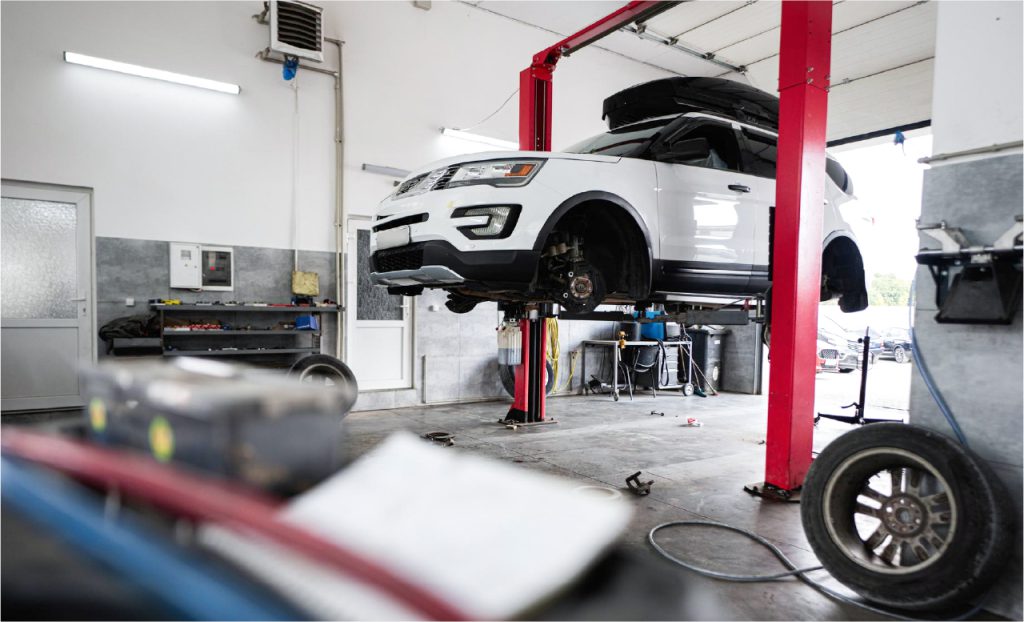
2-Post Lifts
Planning footprint: often similar to a single bay with extra side clearance
Ceiling guidance: frequently around the 11–12 ft class depending on lift style and vehicle height
Best for: wheel-off work, open undercar access
4-Post Lifts
Planning footprint: wider and longer than a typical parking space once approach and ramp space are included
Ceiling guidance: depends on stacking height and the upper vehicle’s roofline
Best for: parking/stacking and quick lift-up convenience
In a 2-post vs 4-post lift comparison, 4-post lifts usually demand more attention to overall length (including ramps) and the usable ceiling needed for stacking.
Scissor Lifts
Planning footprint: more compact in width, length depends on platform style
Ceiling guidance: varies from mid-rise to full-rise designs
Best for: limited ceiling height, quick service work, lower installation complexity
Single-Post / Parking Lifts
Planning footprint: specialized layouts, often chosen for tight bays or specific parking goals
Ceiling guidance: mainly driven by stacking height and vehicle choice
Best for: space-constrained parking solutions
The 9 Dimension Terms That Matter
A major reason people buy the wrong lift is mixing up dimension labels. These terms show up across most manufacturers.
1) Overall Width
The outside-to-outside width of the lift structure. This is the number that determines whether it physically fits between walls or columns.
2) Overall Length
The outside-to-outside length of the lift structure. For 4-post lifts, confirm whether this includes ramps.
3) Overall Height
The height of the columns or structure at the highest fixed point. This affects ceiling fit and door track conflicts.
4) Drive-Thru Width
The usable width between the posts or runways where the vehicle passes through. This affects how comfortable it feels to drive onto the lift.
5) Column-to-Column (Inside)
The inside spacing between columns. This impacts door opening and vehicle positioning.
6) Outside Column-to-Outside Column
This is sometimes used instead of overall width. It is a hard “will it fit” number for narrow bays.
7) Max Rise / Lift Height
The maximum lifting height. Some brands list this with and without adapters, so check both.
8) Runway Length (4-Post)
The usable runway length the tires sit on. This matters more than “overall length” for long vehicles.
9) Minimum Pad Height / Minimum Arm Height
A key spec for low cars. Lower minimum height can reduce the need for extra ramps or blocks.
Measure Your Garage or Shop the Right Way
Step-by-Step Measuring Checklist
Before you look at models, measure these items and write them down.
Ceiling height (true usable height) Measure floor to the lowest obstacle, not just floor to drywall. Include:
garage door tracks and opener rails
lights, ducts, beams, pipes, sprinklers
mezzanine edges or storage platforms
Bay width and bay length Measure clear interior space:
wall to wall, and also between any columns
garage door opening to back wall
side clearance near workbenches or storage
Vehicle dimensions and working clearance Know your longest vehicle length and the height of your tallest vehicle. Decide how you plan to use the lift:
do you need full door opening space
do you need tool carts to roll freely
do you want room to walk around the vehicle
Floor notes you should not skip Even when dimensions fit, the install can be limited by the slab or floor condition. Record:
slab thickness and condition
floor slope and drains
cracks, joints, or questionable sections
Common Measuring Mistakes
Mistake 1: Using ceiling height without subtracting obstacles Door tracks and openers often sit lower than expected. Your “usable ceiling” is the lowest point you could contact.
Mistake 2: Confusing overall width with drive-thru width Drive-thru width tells you how comfortable the approach feels. Overall width tells you whether the lift fits in the bay.
Mistake 3: Planning length without considering approach A lift can fit, but still feel awkward if you do not have enough room to line up the vehicle cleanly.
Auto Lift Dimensions by Type
This section helps you match lift type to your space and workflow. If you are comparing multiple options, focus on the planning footprint and the dimension terms above.
2-Post Lift Dimensions (Overhead vs Floorplate)
A 2-post lift is typically chosen for wheel-off jobs and open access underneath the vehicle.
Dimensions you should check
overall height and any overhead components
overall width and outside column spacing
drive-thru width and inside column spacing
max rise and minimum pad/arm height
Overhead style
pros: clear floor between posts, fewer trip points
planning note: overhead structure can add clearance considerations
Floorplate style
pros: works in some ceiling-constrained spaces
planning note: floorplate affects clearance at the center floor area
Space planning tips
leave walking space on both sides
confirm the door swing you want is realistic
check whether your longest vehicle positions well between the posts
4-Post Lift Dimensions (Parking and Service)
A 4-post lift is often chosen for stacking vehicles, storage, and easy drive-on convenience.
Dimensions you should check
overall width and drive-on runway spacing
runway length compared to your wheelbase and overall vehicle length
overall length including ramps, if ramps are included or required
rise height and your intended stacking clearance
Space planning tips
plan extra length for approach and ramp use
confirm your garage door and opener clearance when the lift is raised
think about where you will walk and where you will place jacks or accessories
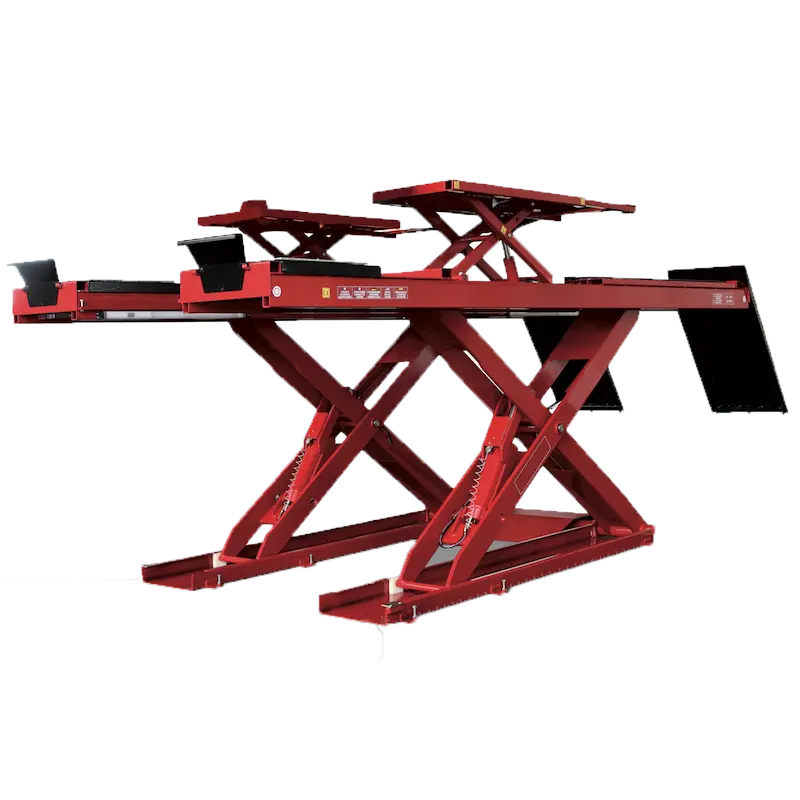
Scissor Lift Dimensions (Low, Mid, Full-Rise)
Scissor lifts are often selected when you want a smaller footprint or you have limitations with ceiling height or installation constraints.
Dimensions you should check
platform length and width
lift height and minimum height
required clearance around the sides for access
whether the lift is surface-mounted or recessed
Space planning tips
confirm the lift does not block door swing and tool movement
verify you can reach the service areas you care about most
Single-Post and Parking Lifts (Space-Constrained Solutions)
These are often chosen for very specific layouts and parking goals.
Dimensions you should check
true footprint in your bay
stacking height and your tallest vehicle
approach path and any turning radius limitations
Space planning tips
map how the vehicle enters and exits
confirm daily usability, not just technical fit
Fit Checklist (Fast Pass/Fail)
Use this checklist to decide if your space is a confident fit.
Quick Pass/Fail Questions
Do you have verified usable ceiling height after subtracting tracks, lights, and obstructions
Does the lift overall width fit with side clearance for walking and working
Does the lift overall length fit with enough room to line up the vehicle and approach smoothly
Does the drive-thru width feel comfortable for your vehicle size
Have you confirmed slab condition and any install requirements that could limit placement
If one item is uncertain, measure again and compare against the manufacturer’s drawing, not only the marketing highlights.
FAQ
Do auto lift dimensions include ramps
It depends on how the brand lists “overall length.” For many 4-post lifts, ramps and approach space are not fully reflected in the base footprint number. Treat ramp use as additional planning length unless the spec sheet clearly states otherwise.
What ceiling height do I need
Ceiling needs depend on lift type, max rise, and the vehicle height you plan to raise. Use the lowest obstacle height as your usable ceiling, then compare that to overall height and your intended working height.
What is the difference between overall width and drive-thru width
Overall width tells you whether the lift structure fits in the bay. Drive-thru width tells you the usable space for driving onto the lift and positioning the vehicle.
Should I size the lift for my current car or future vehicles
If you expect to own a taller or longer vehicle within the lift’s life, it is worth planning around that larger profile so you avoid a “fits today, limits tomorrow” situation.
Final Recommendation
If your goal is open undercar access and frequent wheel-off work, a 2-post lift often aligns well, as long as your usable ceiling height and bay width support the column layout you need.
If your goal is stacking vehicles, daily parking convenience, and space management, a 4-post lift tends to match that workflow better, especially when you plan for ramp and approach length.
The smartest next step is to measure usable ceiling height, clear bay width and length, and your longest and tallest vehicle dimensions, then match those numbers to the lift drawing and dimension terms in this guide.
Yes, OEM and ODM services are available. We support logo printing, custom packaging, and
product design based on your needs.
What is your Minimum Order Quantity (MOQ)?
No MOQ for the regular products. However, customized branding or packaging may require a
minimum quantity. Please contact us for details based on the specific product.
Do you offer samples?
We offer samples for evaluation. While not free, sample fees can be refunded or deducted
once a formal order is placed.
Which ports do you ship from?
We can ship from major ports across China, including Shanghai, Shenzhen, Ningbo,
Qingdao, and more.
What terms of payment are acceptable
We accept EXW, FOB, CIF, and other standard international terms.
Can you supply products beyond your catalog?
Yes, we help source automotive tools and equipment based on your specific
requirements.